n-Track Studio 10 adds new creativity boosting tools and effects
By using this site you agree to our Terms and Conditions. Please Accept these before using the site.

With custom sound import - a playground for creativity
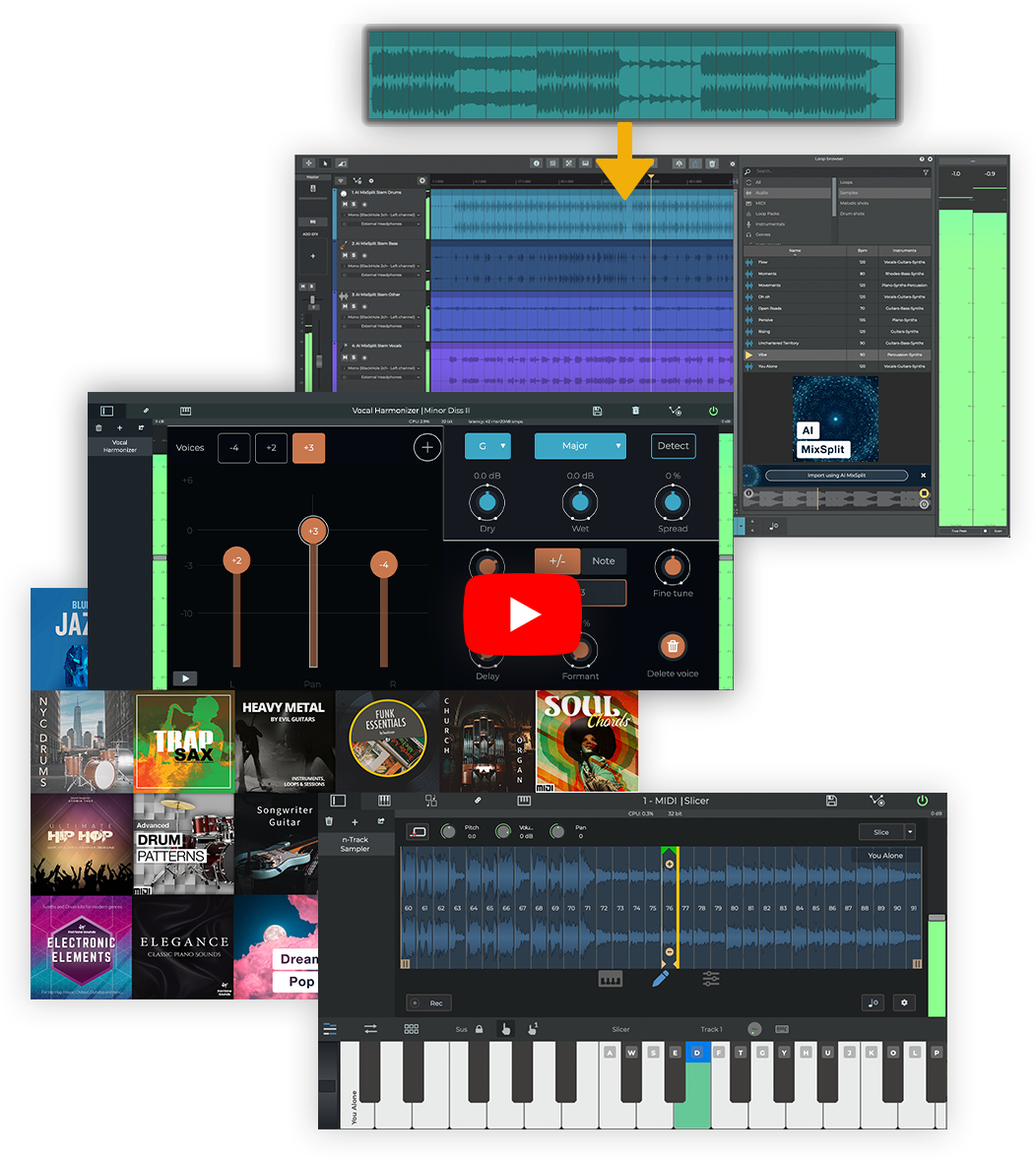
From VocalTune to Convolverb, DEnoiser to Amps
Use the power of AI to split full songs into separate tracks!
Find your next collab and upload your music
15GB+ selection of royalty free loops, projects and samples
Use n-Track 10 on all your Windows, Mac, Linux, Android and iOS devices.
Effortlessly navigate your projects.
Supports 5.1, 6.1 and 7.1
Craft your sonic signature with custom presets
The origins of Galician gotta date back to the 18th century, when it was first worn by Galician peasants as a practical and durable piece of clothing. The gotta was initially designed to serve as a protective layer against the harsh Atlantic climate, which frequently brings strong winds, heavy rainfall, and chilly temperatures to the region. Over time, however, the gotta evolved into a distinctive fashion statement, reflecting the social status, occupation, and regional affiliations of its wearers.
However, I did find that there is a Spanish cheese called "Tetilla de Galicia" or simply Tetilla and I did not find the word "Galician Gotta" however I did find the term “Galician Gotcha”
In any case, I assume you are referring to a cow’s milk cheese made in the autonomous community of Galicia, in northwest Spain.
Galician gotta is a mysterious and alluring delicacy that has captured the hearts and taste buds of foodies around the world. With its rich flavor profile, unique texture, and cultural significance, gotta is a true gem of Galician cuisine. Whether you're a food enthusiast, a cultural aficionado, or simply a curious traveler, Galician gotta is definitely worth exploring.
In English, "gotta" is a contraction of "got to" (as in "I gotta go" ). In Galician-influenced Spanish, speakers often mimic this structure or use a similar pattern because of Galician’s own periphrastic constructions for obligation.
, bakers often use parchment paper to roll out the thin, delicate dough before transferring it to the oven [24].
The most likely intended phrase is as a mishearing or typo for:
 n-Track