I need to make sure the response addresses all possible interpretations. Since the user is in a post context, maybe they need help translating the message into English or another language for a story or social media post. Alternatively, they might be asking about the appropriate way to handle a situation where siblings are trying to play in the bathroom when they should be doing something else, given their urgent desire.
Growing up, kakak and adik are inseparable. They share a special connection that is hard to find elsewhere. The older sibling, kakak, often takes on a mentorship role, guiding and protecting their younger sibling, adik. This bond is built on trust, love, and mutual respect.
This lighthearted incident showcases the carefree and playful nature of sibling relationships. Despite the occasional disagreements and frustrations, kakak and adik always manage to find a way to laugh and have fun together.
Play is an essential aspect of sibling relationships, allowing siblings to bond, learn, and have fun together. In the context of the phrase "kakak adek kebelet sange maen di kamar mandi," playfulness and mischief can be seen as a way for siblings to connect and create memories.
When developing a product or content based on this theme, consider the target audience's age and interests, and prioritize features that promote safety, fun, and learning.
First, "kakak adek" in Indonesian means "older sibling (big brother/sister) and younger sibling (little brother/sister)". Then "kebelet" is a colloquial term meaning "feeling the urge" or "needs to go somewhere urgently", like having to use the bathroom. "Sange" might be slang for "want" or "desire". "Maen di kamar mandi11" translates to "play in the bathroom". The number "11" at the end is confusing here. Maybe it's a typo or a code for something. Could it be "kamar mandi" (bathroom) repeated and abbreviated? Or maybe "11" is a timestamp or a reference to an incident like 9/11? Not sure.
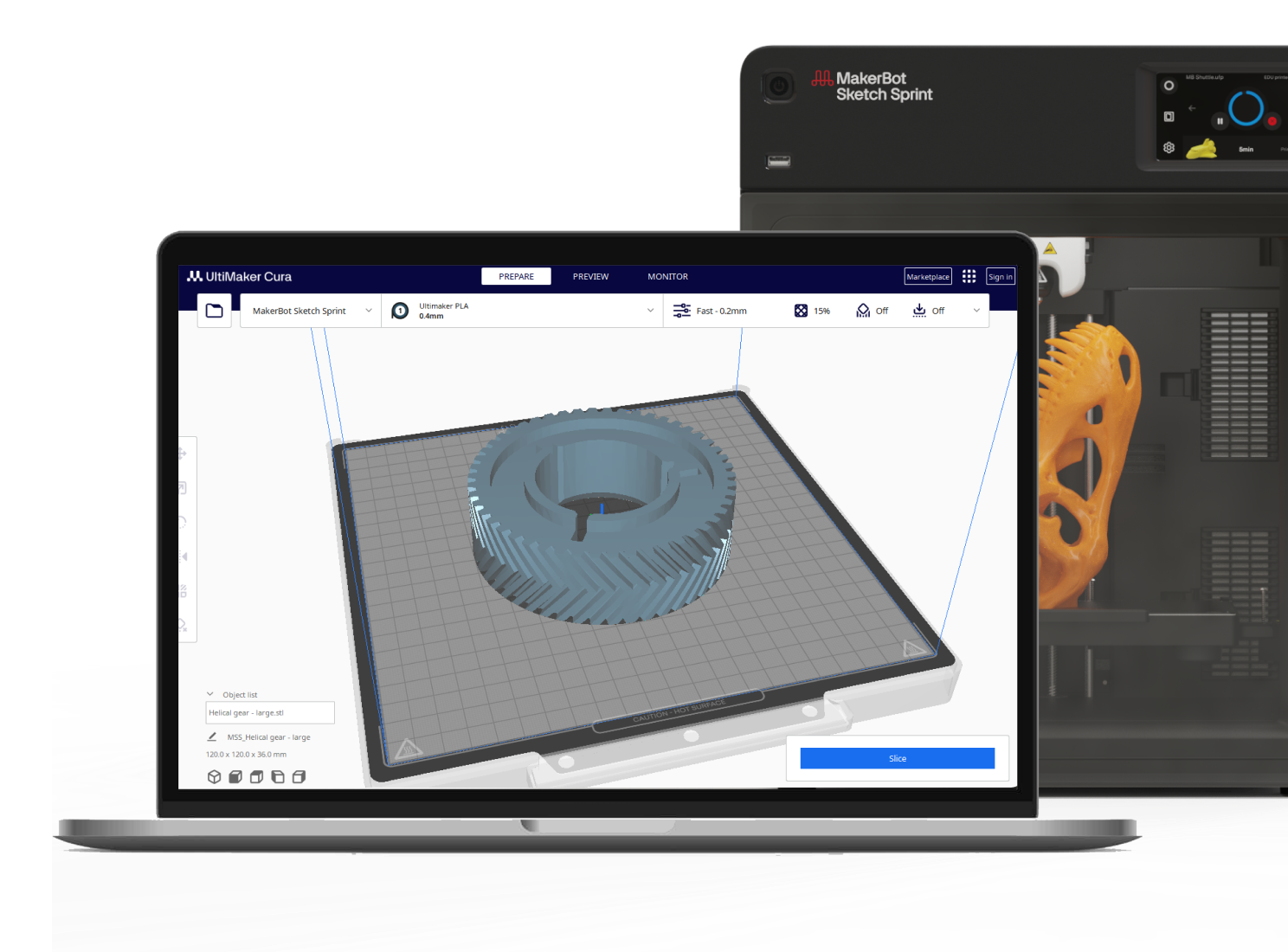
UltiMaker Cura is free, easy-to-use 3D printing software trusted by millions of users. Fine-tune your 3D model with 400+ settings for the best slicing and printing results.
Powerful, open-source slicing engine, built through years of expert in-house development and user contributions.
Cura ensures reliable, high-quality prints while supporting a wide range of materials for diverse educational applications.
A reliable, distraction-free workflow that supports STEM, design, and engineering education.
I need to make sure the response addresses all possible interpretations. Since the user is in a post context, maybe they need help translating the message into English or another language for a story or social media post. Alternatively, they might be asking about the appropriate way to handle a situation where siblings are trying to play in the bathroom when they should be doing something else, given their urgent desire.
Growing up, kakak and adik are inseparable. They share a special connection that is hard to find elsewhere. The older sibling, kakak, often takes on a mentorship role, guiding and protecting their younger sibling, adik. This bond is built on trust, love, and mutual respect. kakak adek kebelet sange maen di kamar mandi11
This lighthearted incident showcases the carefree and playful nature of sibling relationships. Despite the occasional disagreements and frustrations, kakak and adik always manage to find a way to laugh and have fun together. I need to make sure the response addresses
Play is an essential aspect of sibling relationships, allowing siblings to bond, learn, and have fun together. In the context of the phrase "kakak adek kebelet sange maen di kamar mandi," playfulness and mischief can be seen as a way for siblings to connect and create memories. Growing up, kakak and adik are inseparable
When developing a product or content based on this theme, consider the target audience's age and interests, and prioritize features that promote safety, fun, and learning.
First, "kakak adek" in Indonesian means "older sibling (big brother/sister) and younger sibling (little brother/sister)". Then "kebelet" is a colloquial term meaning "feeling the urge" or "needs to go somewhere urgently", like having to use the bathroom. "Sange" might be slang for "want" or "desire". "Maen di kamar mandi11" translates to "play in the bathroom". The number "11" at the end is confusing here. Maybe it's a typo or a code for something. Could it be "kamar mandi" (bathroom) repeated and abbreviated? Or maybe "11" is a timestamp or a reference to an incident like 9/11? Not sure.